A couple of weeks ago I had a new technician come check out my piano. I found his name at a concert I had been given tickets to almost two years ago. I was sitting in my seat waiting for the show to start, when a name caught my eye on the screen. Ian Graham. My first piano teacher’s name was Murray Graham. What are the chances? So I’ve had that name tucked away in my brain for some time now, and just recently bit the bullet and booked a tuning. My piano was very much in need of a tuning, (it had been 3 years… whoops!), and I knew there were some other things that needed some attention. I just didn’t know how bad it was. As a teacher, I am often asked “I saw this used acoustic piano they’re giving away for free- should we get it?” My answer is always the same: Only if you bring a technician with you to look it over, because if there’s a crack in the soundboard you could spend more money trying to fix it than just buying a brand new piano. Well, it turns out I have a crack in my soundboard. Among other issues. Ouch!!
I am very thankful to Ian, for being honest with me about everything. Basically, it’s time to start looking for another piano. This one has done me well these past 8 years, and for the price I paid I can’t complain. The silver lining is, the piano does sound better than before. I can still use it for practice and teaching. Thankfully, I also have a digital piano to use for ear training with students!
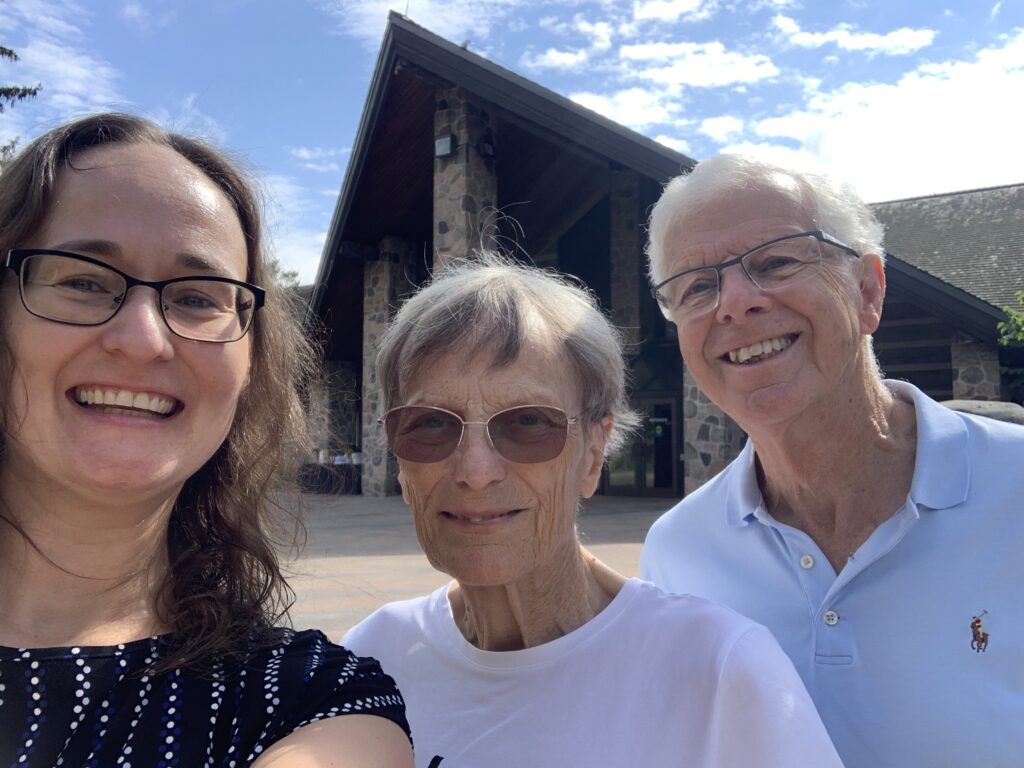
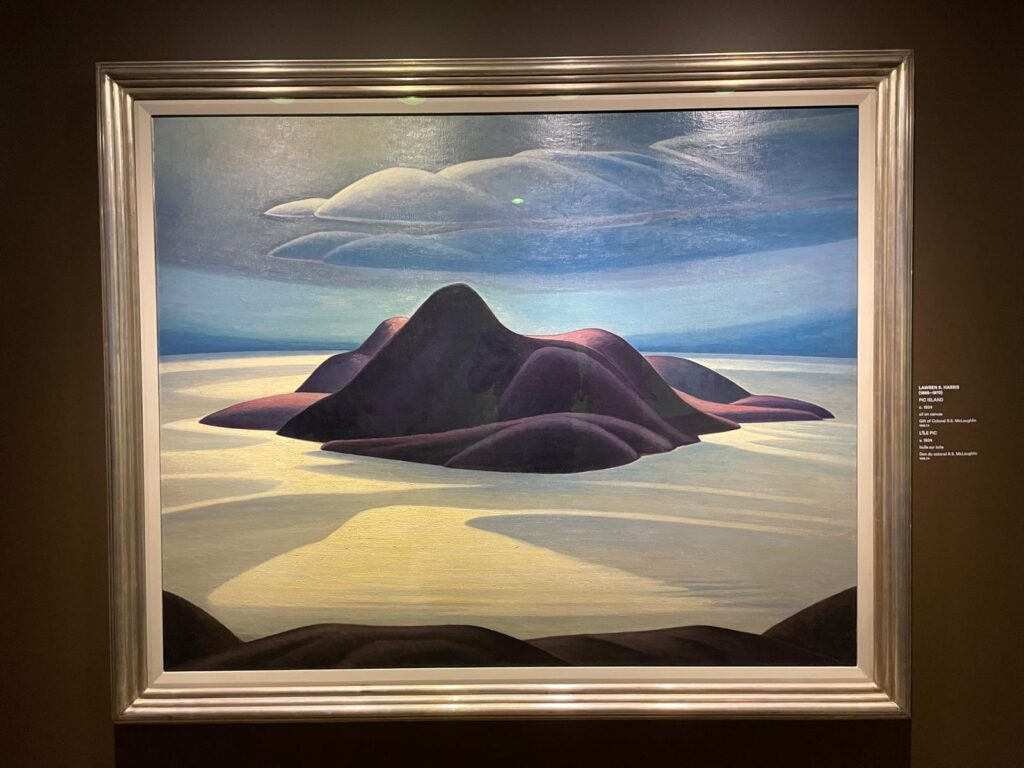
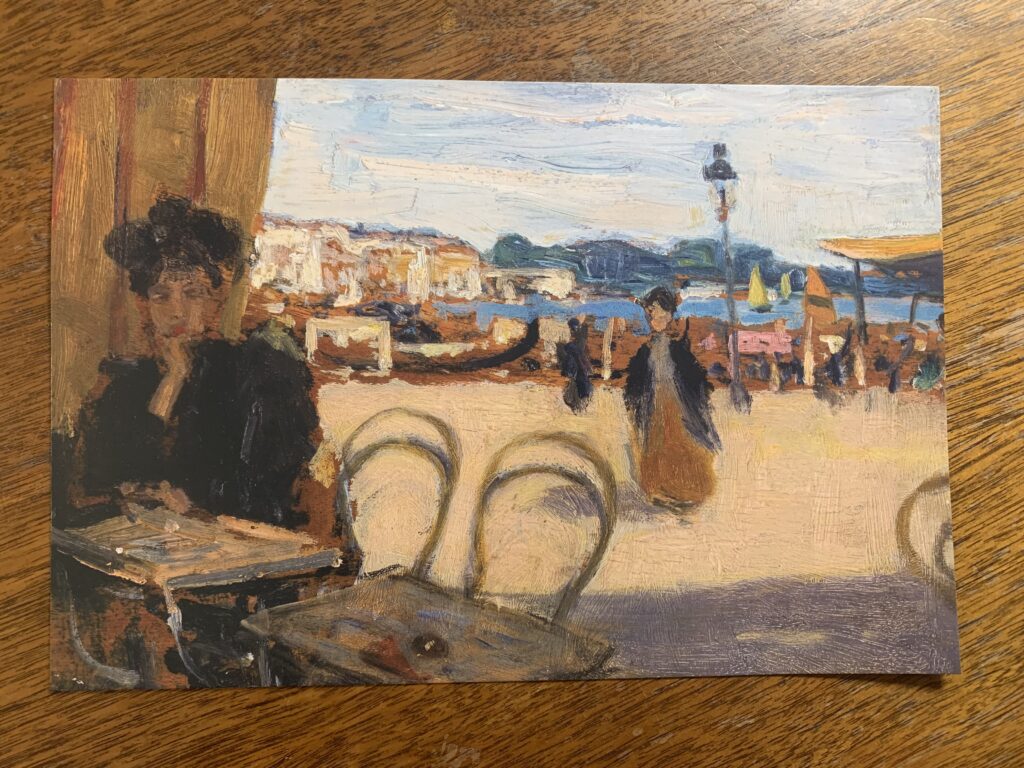
What a fascinating place! I never knew it existed until I was poking through a friend’s book shelf and found a pamphlet on the Group of Seven. I always loved their artwork! As it turns out, the McMichael’s has a huge display of their artwork, as they focus on Canadian art. So we began to formulate our plan to visit this summer.
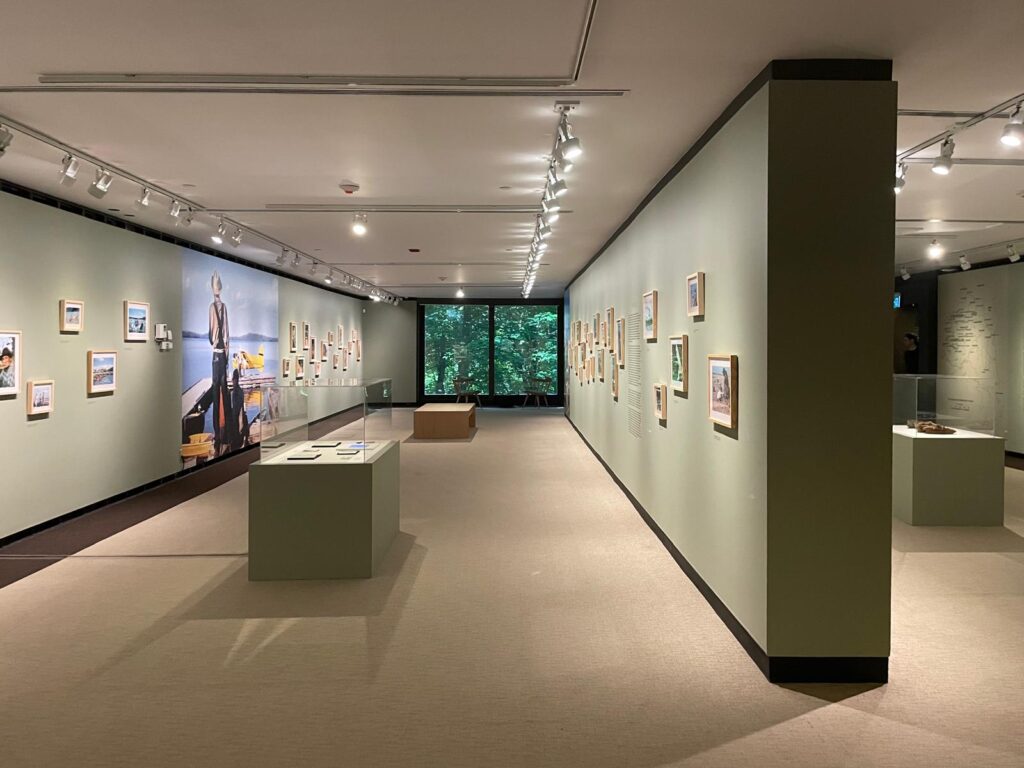
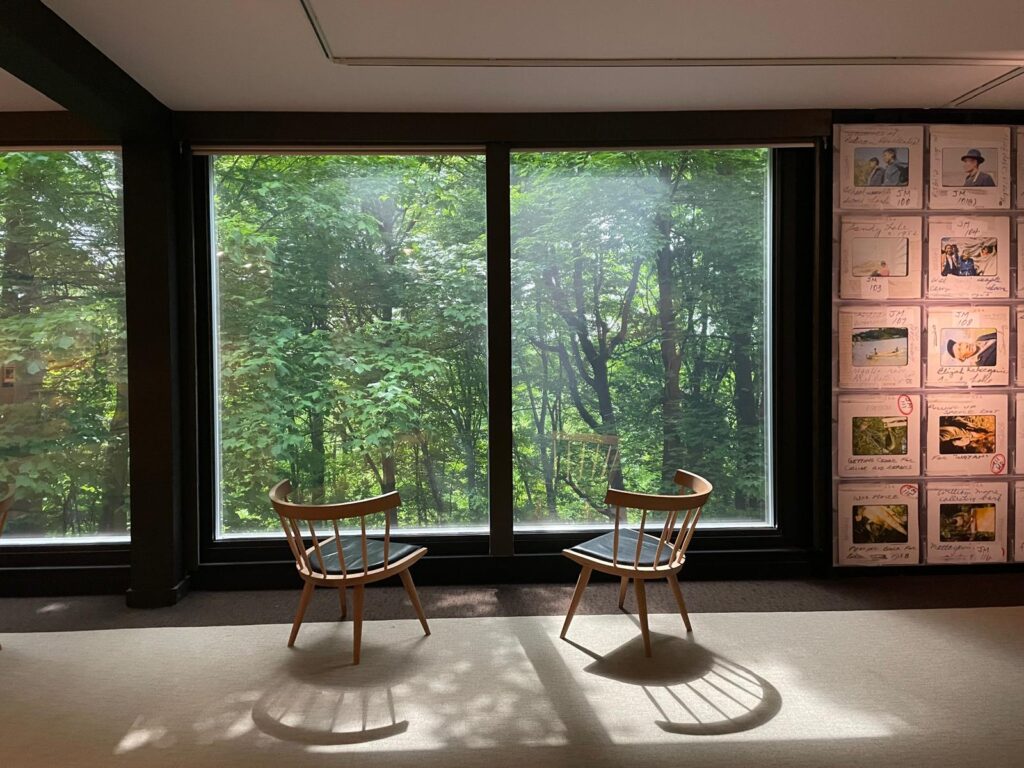
The building itself is a work of art! The grounds are beautiful- winding paths, giant sculptures, Humber River down the hill, and it all borders a conservation area. Every window has a unique view. The artwork is endless, and it is the only museum dedicated to displaying and preserving solely Canadian art. During this visit we got to see a huge exhibit of Inuit art. It was very interesting, partly because of how primitive it was. Which makes sense, because they didn’t have art galleries, or art lessons, or any of the artsy opportunities we are so lucky to have. As primitive as the drawings were, they all told a story. It offered some insight as to how they lived.
Right now, (with the way things are in the world, especially), they are trying to promote knowledge and awareness of Canadian art. So, they’ve made the third Sunday of every month ‘family day,’ where families can go check it all out for free!! Psst… that happens to be this upcoming Sunday!
I am in admiration of the McMichael’s. To have had a dream of sharing Canadian artwork, and to have taken it so far… I, for one, am forever grateful of their vision. How lucky we are to have such treasures available to us! 💖
I can’t believe it’s been over 2 years since my last blog post!
As I said in my Facebook post last month, “I may not be at the top of ‘the’ game, but I’m sure at the top of MY game”. And of course, this is really the only thing that matters!
This year has been a lot so far.
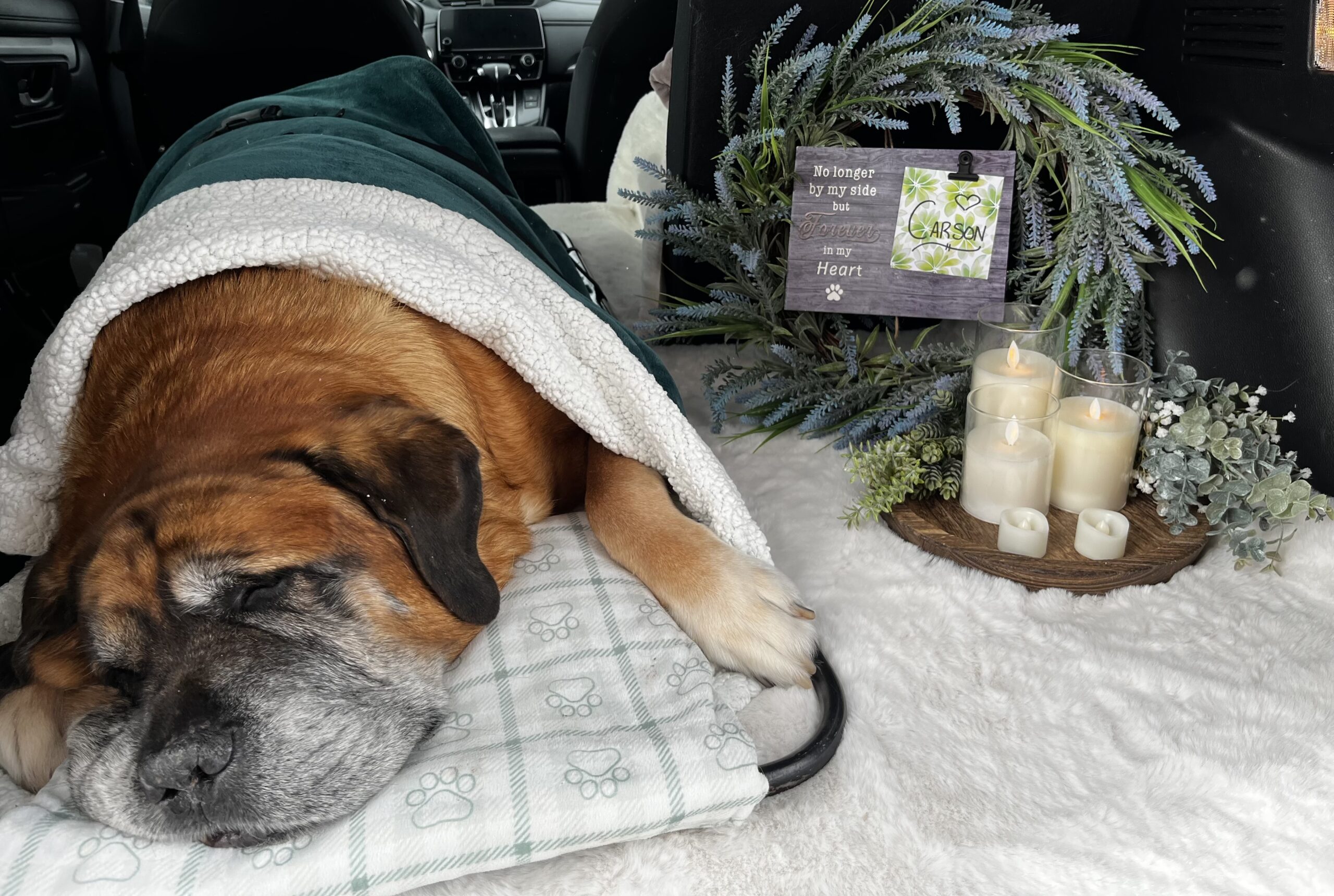
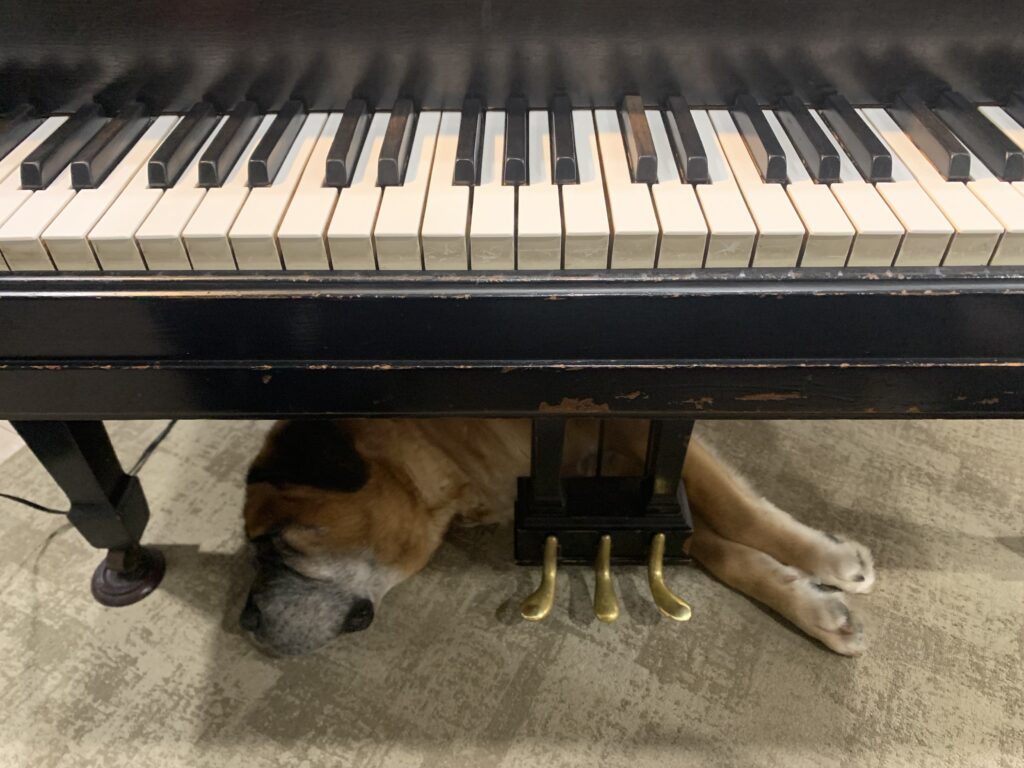
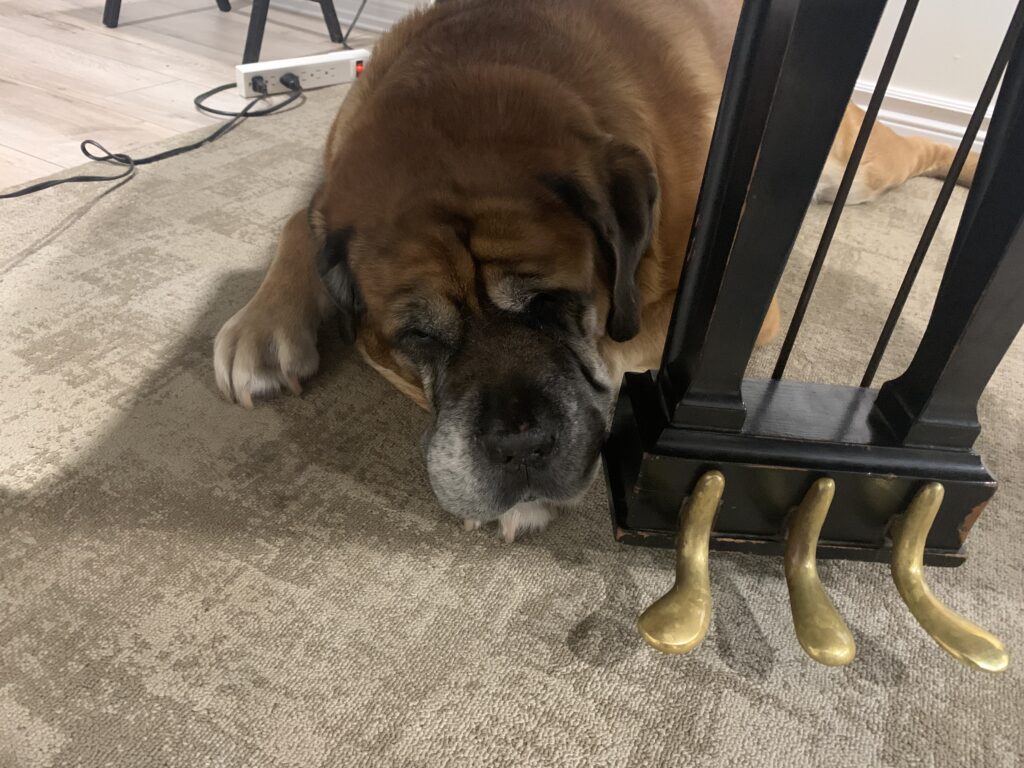
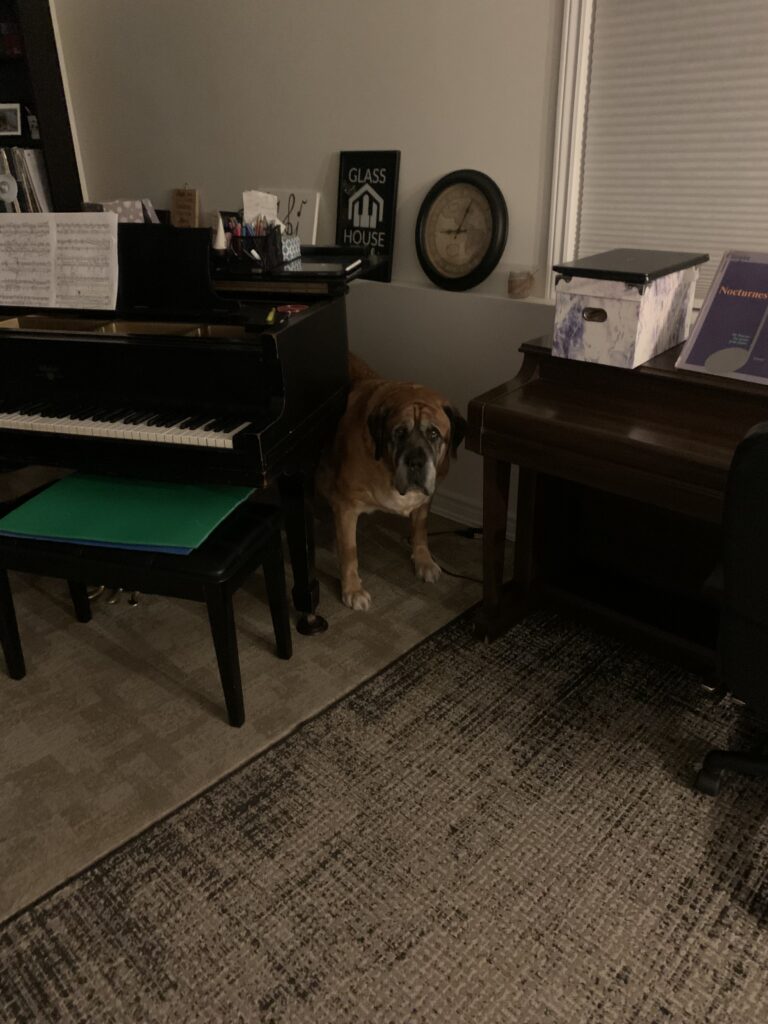
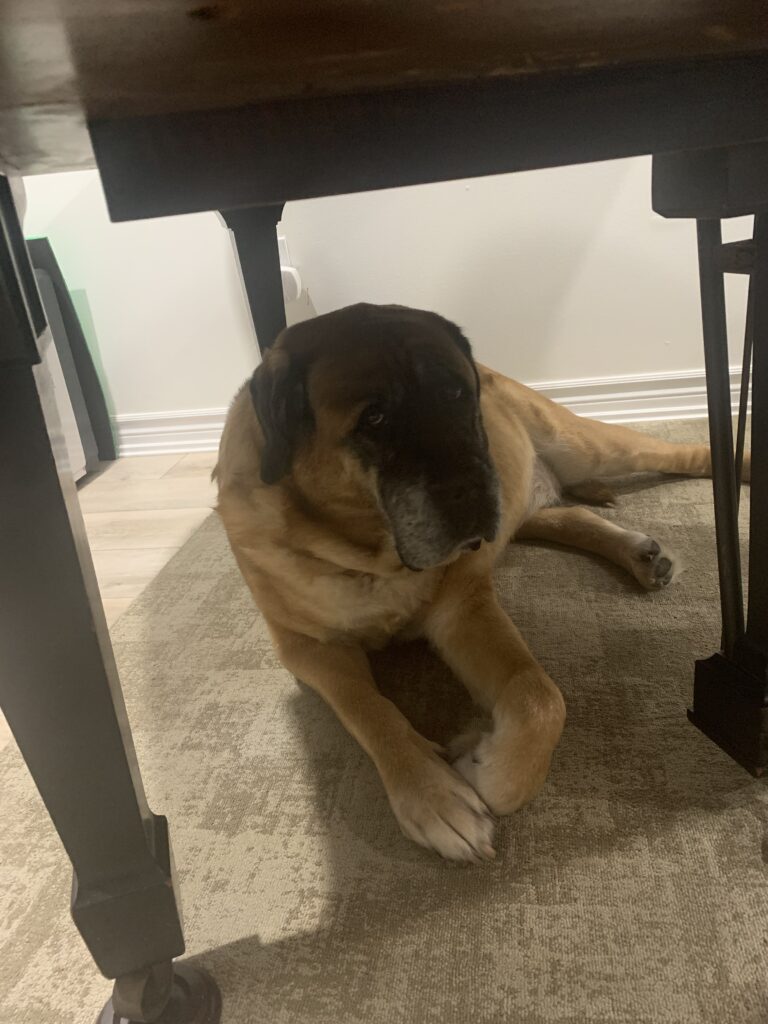
Saying goodbye to my beloved dog Carson and trying to adapt to life without him, was the most difficult. In a way, I’m lucky it happened at a time when life was already crumbling around me and keeping me (beyond) busy.
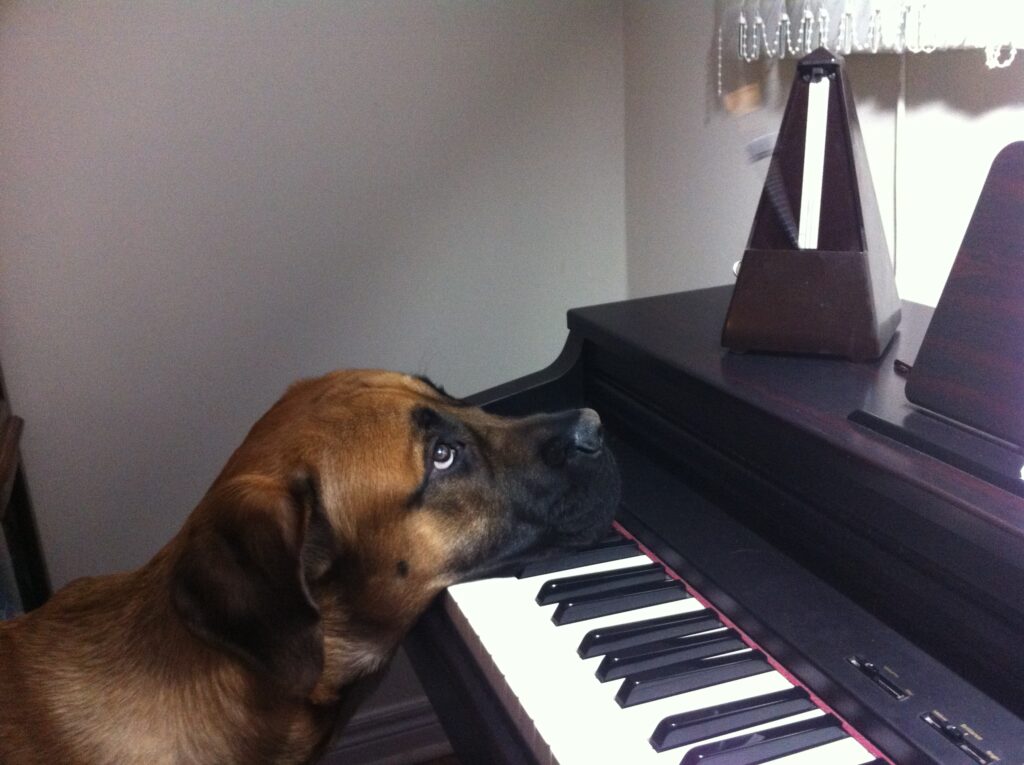
Here are some photos of Carson around the piano 🥰 Proof that my life revolved around it
I was a shift manager at Ricki’s/Cleo for nearly 3 years. This January, we got notice that we would be closing. So I was looking for work while working two jobs (teaching piano being a constant, of course). Liquidating a store is an interesting process, and one I hope I never have to go through again! One week before the store closed, I finally managed to book a couple of interviews. I ended up getting both jobs! Just in the nick of time. I landed a service/cashier job at Farmboy (where I ended up being promoted to supervisor a couple weeks ago), and a dietary aide position in a long term care home.
While my resume was up on indeed, I had also secured a job teaching piano at a music school here in Barrie- Modern Music Studio. It was great getting back to the music school scene. I have to say that a part of me loves the musical chaos lol.
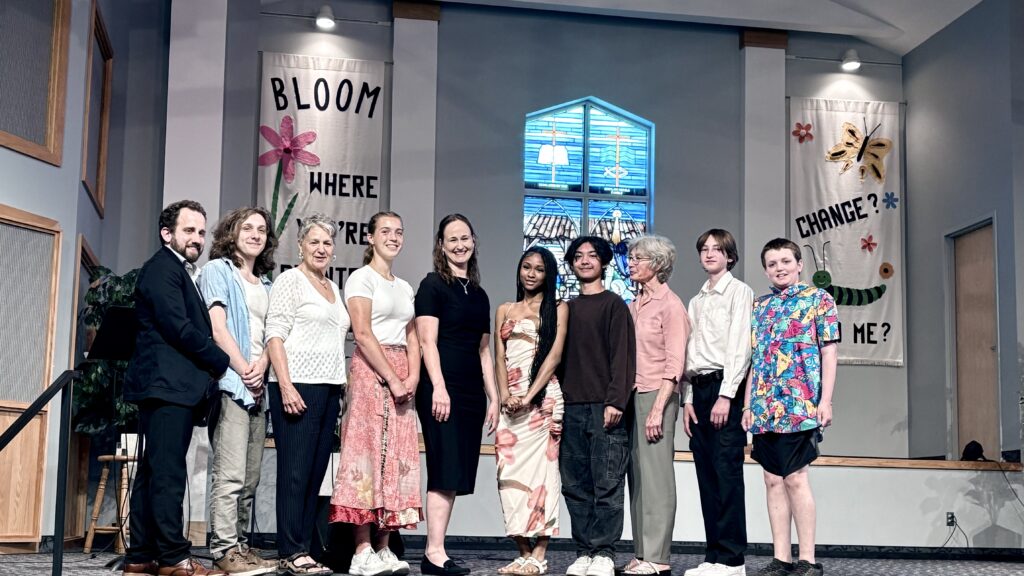
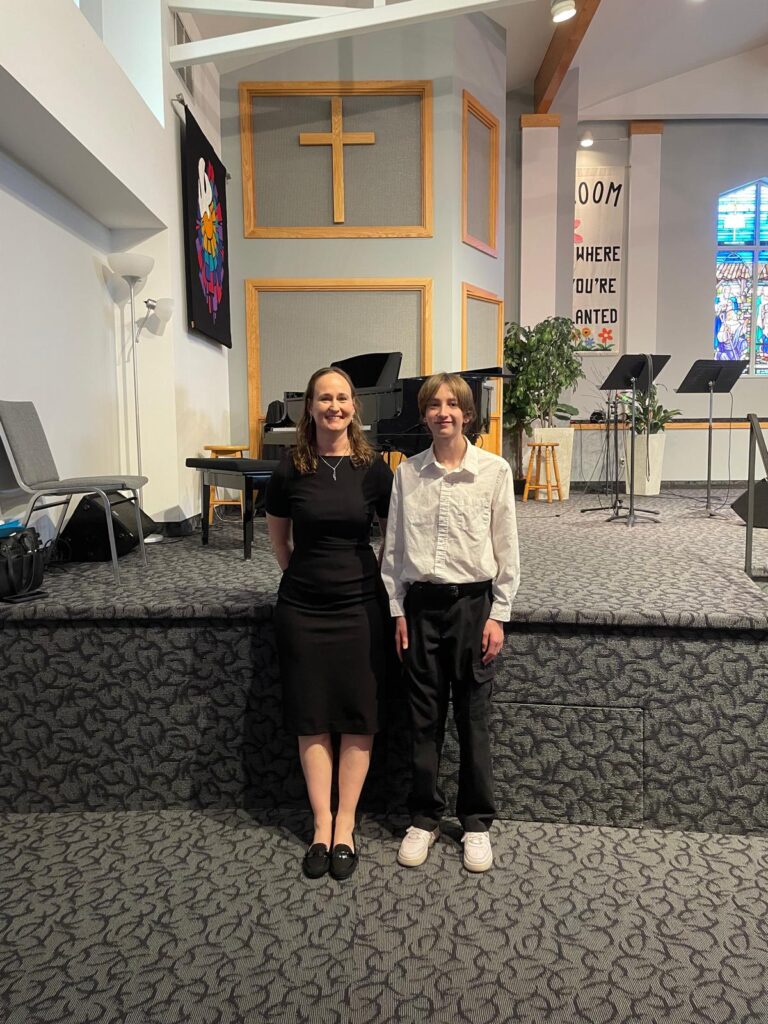
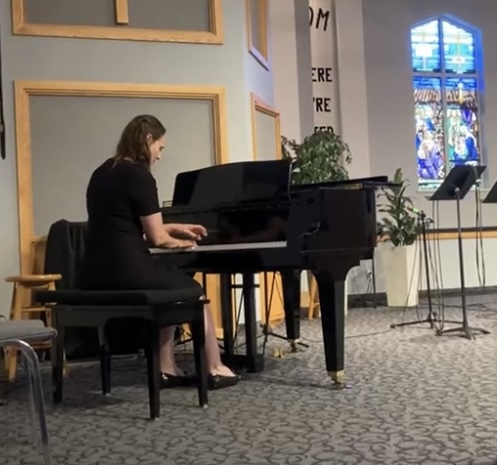
Now that I’m on the other side of it all, it makes me so relieved to have been able to organize the recital and perform for everyone. Of course I have to work to support myself in life, but music is really what it’s all about for me. When people are shocked if I tell them I have 3 jobs, I say ‘well, actually 4, if you count practicing’. Which I do, even as much as I love it. Because it’s challenging work, and I feel a huge commitment. Plus, we can’t forget the saying- practice what you preach!
If it’s so much work, then why do it? The answer is simple. It’s so worth it!! ❤️🎹
Here is Brahms’ Rhapsody in G Minor, op. 79, no.2.
Well, here we are! Is the school year over already? 😅 With all the personal chaos this year- finding a place to live, moving, starting a new job, getting promoted, experiencing holiday hours in retail for the first time in my life 🤯, managing my senior puppy’s health issues… just to name a few- the year has flown by! This is a huge part of the reason I commit to participating in the recitals, with a new piece each June.
Life’s unexpected turns make it easy to let practice slip. This year I learned how truly valuable mental practice (practice away from the piano) can be! Although I didn’t achieve the mastery I had hoped for with this, I surely would never have made it this far along if I had turned my back on my goal. Even for a second. I stepped out of my comfort zone to challenge myself in a different way with this one. I haven’t played much Debussy in the past, and he specifically wrote this piece to be challenging.
It’s still a work in progress, for sure. But not every piece ends up as part of our performance repertoire, just as not every painting ends up in a gallery. Still, I wanted to share my work. It’s an important part of the learning process for us musicians! In fact, I owe a lot to my adult studio class for the progress I’ve made this year. Without their willingness to be tortured through my learning process of this strange and wonderful piece 😊 I would be much further behind, I’m sure. I’ve learned so much this year, and am excited to use these lessons to propel me forward into new musical adventures! 🎹🎶
If you listen to this, please listen with kind ears and an open mind. 💕
What a perfect song to play at your own wedding. Wait, what? Yes!!
I had an adult student get married this summer, and he played this for his bride while she walked down the aisle. So beautiful!! ❤️ What an incredible accomplishment for him, too. He worked on this piece with me for a year in preparation for that day. The week before, (when him and his fiancé came to listen to the program I would be performing at the wedding), he asked me if I could play the piece for him if he was too nervous. Obviously I told him I would, but I knew he could pull it off! And he did more than that- he gave a beautiful, nearly flawless performance. It’s so nice to be able to share an experience like this with people!
So here I am playing this for you now. With much less pressure than Michael experienced on his wedding day 😊
Ludovico’s pieces are so calming. It was really nice to have this wedding to prepare for in the summer, when practice time was scarce. It gave me something light to keep my fingers in shape (and gave my brain an escape), while my life was flipped upside down. I hope this lends a bit of calm to your day as well. 💗🎹
PS. If you like the outfit, come see me at Ricki’s/Cleo on Mapleview Dr., Barrie!
Maria was fortunate enough to have grown up in a musical family. Her father was a professional clarinetist, and so he taught her this instrument. She also played the violin (as well as piano, of course)!
Maria entered a school for music at the age of 8. She would take a long subway ride every day after her regular school to get there, and spent her evenings studying and enjoying music. This school was associated with the national University (UNAM, Mexico), which is the largest university in Latin America. You could take as many courses as you like, and carry right on into the University with your music studies. The fees for the school were very little, which means that more people who loved music could have access to it. The opportunity to participate in many different classes is very benefial for becoming a more well-rounded musician and pianist. Chamber music, harmony, violin, clarinet, history and so on … these are all so helpful in becoming better at whichever instrument you choose to focus on.
Maria had several piano teachers, but Leopoldo Gonzales was the first really influential one. She began studying with him at 18 years old.
Now, the beginning of her performing experience. Maria sang in a choir on television at the age of 9! Her first formal concert was at 10 years old, with a youth orchestra. She played Bach-Vivaldi for 4 pianos. I was shocked when she told me this, because normally students start by playing a 30-second beginner solo in a recital. Not a 4-piano work with orchestra! But for Maria, it was nothing out of the ordinary. She had been playing with this youth orchestra for quite some time, but not the piano… only every other instrument it contained! So to move to playing piano with them, her main instrument, it was no big deal for her. Again- wow!! The atmosphere in this orchestra was very casual and fun, which made performing feel so much more natural and less stressful for everyone. They had free concerts all the time, and the kids were motivated by playing music with and for each other. Being part of a musical community really makes a world of difference, especially for children. It’s too bad we don’t have more of these types of things here in Canada!
Here’s the work she performed at the age of 10:
Bach Concerto for 4 Pianos BWV 1065
Maria originally went to university for international relations. Later, one of her brothers (a mathematician) applied to go to school in Russia. He encouraged her to apply over there as well, so she completed the application requirements in a week in order to meet the deadline! At that time, Russian pianists were dominating the music scene, so of course she wanted to go. Some of her friends had already gone there to study violin. After she was accepted, she had one month to prepare to leave for Russia. When she arrived in the country, she spent 5 days in a hotel without a piano, then was brought to the conservatory and informed there was an entrance exam she would need to be ready for in 2 days. They would choose 4 of 40 foreigner piano students to be accepted. What a whirlwind!! 🤯
Maria studied at the Tchaikovsky Conservatory for one year. It is a huge honour to be accepted into this school. The program is gruelling, to say the least. She was practicing 5-8 hours a day just to keep up with the performance aspect, and had a few other classes as well. This sounds difficult enough, but when you consider the fact that she knew zero words from the Russian language when she arrived there, and all of her classes were taught in Russian… WOW! It’s a miracle she survived! The classes were in Russian ‘for foreigners,’ so that made it a little bit easier. But still! And she had to take 6 hours a day of Russian language classes in the first year. How many hours are there in a day again? 😅
After one year, she moved over to the Rimsky-Korsakov Conservatory in St. Petersburg, Russia. By then she was less uncomfortable with the language, and the environment of this was a more enjoyable situation for her. Nadia M. Esmot was her main teacher in Russia, the one who truly helped her to understand the music and how to perform it. She helped her to develop by understanding where she was at and building up from there. She was the one who was able to get through to her and help her rise up. Isn’t that just exactly what we all need?! ❤️
Maria Rosales has been teaching me since October 2020. She has been a rock for me through all the trials of life during the pandemic, and everything that life has thrown my way since then. She is exactly the teacher I needed, at exactly the right time. Isn’t it funny how it often works out like this? Again, I quote ‘when the student is ready, the teacher will appear’. Maria is accepting of my shortcomings, knowing that I always put in my best effort. She understands that life as an adult is busy and challenging, and she never makes me feel guilty for not having practiced as much as I would like. (I feel I should mention for any students or parents out there… this means 1 hour of practice a day some days instead of 3; not that I don’t practice😅). She encourages me to play for other teachers, which is important, given all the wonderful opportunities that are available. No matter how down or tired I am going into our lessons, I always leave feeling hopeful, inspired and excited to get back on track! I wouldn’t have made such progress without Maria, especially through such difficult times.
I met Maria (left) at Peel Music Academy nearly 15 years ago. Some of the teachers at the school I never met, because everyone was always busy teaching in their own classrooms. One day I arrived quite early, and heard Rachmaninoff pouring through the walls like I’d never heard before. I had to go check it out! Sure enough, it was Maria. She was so casual about her skills, as if she were nothing special. Oh, how wrong she was!! I learned later that she had studied in two famous conservatories in Russia. So, of course she didn’t think she was anything special- she had studied with and been surrounded by some of the most talented pianists in the world! Over there, her skills may have been mediocre. But here, in Canada… I had never heard anything quite like it so up close and personal.
From then on, I went to work a little early on the days Maria was teaching, in hopes that I would be lucky enough to listen to her again. 🥰
Maria was born in Mexico City. She grew up in a musical family, so music was always a huge part of her life. She has 4 brothers and a sister, all of whom grew up playing instruments. Everyone played at least a little bit of piano. There was also clarinet, violin, faggot, trumpet, flute and saxophone. Practice time was often fought for, ending in multiple instruments practicing different music simultaneously. There’s a photograph from her childhood, where all the kids are practicing their own instruments while watching television! 😂
More to follow about Maria in next week’s blog post! Her musical and educational background are quite interesting, so I do hope you tune in to check it out 😊
I know I’ve already posted this link, but for those of you who missed it (or just want to check it out again), here is the work she helped me accomplish last school year. We’re working on another big one this year, too! Just trying to get my home life organized since the move so that I can devote the time and energy I need to accomplish it.
Thanks you, Maria! You’ve stuck by me through all of the ups and downs, and I know you’ll help me pull off another good video this year! ❤️❤️❤️
I’ll keep it short, and let the music speak for itself. My heart and soul went into this piece over the past year. As I was practicing the final variation one day, my mum said to me “that’s a scary one.” To this I replied, “you have you no idea…” lol. It certainly was a mountain to climb, and one well worth it. My technique and musical understanding have vastly improved, and I’m excited to dig into the next piece! 🖤🎹🖤🎹🖤
Thank you to everyone who has been a support and showed interest in what I do, and thank you to all my wonderful students who are a constant source of motivation and inspiration! What a difference you all make, in and outside of practice. ❤️🎶❤️
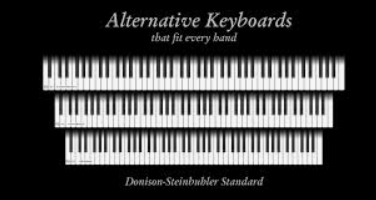
As a continuation of last week’s post, I will relay some very interesting information from professor Carol Leone’s presentation a few weeks ago. She has helped to redesign the piano keyboard to fit smaller hands! Today’s conventional keyboard has an octave (8 notes) of 6.5 inches. There is now a keyboard that has a 6 inch octave (and if you ask for this specifically, Steinway will give it to you with the piano of your choice). There is also a keyboard with an octave that is 5.5 inches. What a dream! Although the black keys are smaller, of course, this would make playing larger intervals and chords possible (and comfortable!) for people with smaller or less flexible hands. Although Steinway doesn’t offer this yet, there are people who custom design them. And apparently, for many pianos, it is quite easy to just swap out one keyboard for another. Who knew?! Professor Leone chooses her repertoire based on the availability of keyboard sizes. If the piano where she’s performing can change keyboards, she has a wider range of repertoire to choose from.
Here she is playing the Chopin Polonaise-Fantasy on the DS5.5 keyboard. Wow!
Chopin’s keyboard was much smaller than that of today’s conventional keyboard. Eight of his keys could fit into seven of ours. In a way it makes it that much more impressive for people to still be able to execute his music so flawlessly, even with this huge difference. But it also makes it unfair for people with smaller or less flexible hands. I don’t see them allowing these keyboards into the competitions anytime soon, but who knows- maybe one day! 😊
Barenboim (one of my favourite Beethoven players) uses a smaller keyboard as well. I knew he had smaller hands, but didn’t realize he used a smaller keyboard. Fascinating! If even the most idolized performers can use them, then why not everyone else?! I would love to try one out. Being that I am learning more demanding repertoire as an adult, my hands are not as flexible as I would like them to be. This smaller keyboard would eliminate many of the challenges I’ve been facing in my practice and performance. Apparently it only takes 5 minutes to adjust from the 6.5 to a 6 inch, and if you’re going all the way down to 5.5 it might take up to an hour. That’s no time at all! Especially when I think about how many hours I’ve spent trying to wrap my hands around some of these chords! 😅
Since this is still a fairly new concept, piano manufacturers haven’t warmed up to the idea of putting the DS 5.5 on the market just yet. They feel there isn’t enough demand. Which is why there is a petition to advocate for them to make this available! We need to show them that there IS a market for it! So please sign if you find this even the least bit interesting, as you could be helping a lot of people to play more beautifully and without fear of injury. I’ve already signed 😀 Here’s the link: Sign petition: Need piano keyboards that fit our hands · GoPetition.com Just scroll down to the bottom of the page to sign!
A special thank you to Jarred Dunn, for organizing yet another outstanding event!
I wish!! Master classes are the one-off opportunities to learn from true masters. I was very lucky to have had the opportunity to meet and play for professor Carol Leone two Sundays ago. She teaches at SMU Meadows School of the Arts in Dallas, Texas, and is considered the world’s leading performer, teacher, and researcher on alternate-sized piano keyboards for the benefit of pianists with smaller hand-spans.
I performed the last 4 variations of the Beethoven I’m working on, and she helped me a lot with sound production. It’s always hard to adapt to a new teacher on the spot, and being in front of spectators adds even more pressure. But it’s so important to dive in and do these types of things precisely for that reason! It’s absolutely necessary to see how things go under pressure, because it reveals exactly what needs the most work. Sometimes we surprise ourselves! Parts that we thought were secure end up crumbling, and sections we’ve been slaving over we just sail through! The most important thing is that we learn everything we can from the experience. And I sure learned a lot!!
While one of the main points of a master class is to improve your own playing, you also are given the opportunity to develop stronger musical concepts through other students’ playing. When there are a group of people, each individual usually gets 20-30 minutes of one-on-one time. That means the professor has to immediately address the individuals’ issues and offer ways to improve on them, knowing full well that the student is most likely terrified! 😅Professor Leone could see I needed work on my soft playing, and could tell I was uncomfortable with it because I knew this. The latter part is clearly the more difficult to address. Yet, she explained things in a few different ways to make sure I understood, and was patient with me until it finally clicked.
What makes these professors masters is not just their skills, but also what else they can share with us. In my next post, I will share what Carol Leone taught us about keyboard sizes… a whole new world! One which I was very excited to be introduced to. In the meantime, check out this video of her playing Scarlatti on a beautiful Fazioli piano. 💕